
What Is High Temperature Resistant Wire? An Explainer on Silicone, Teflon and Construction Basics
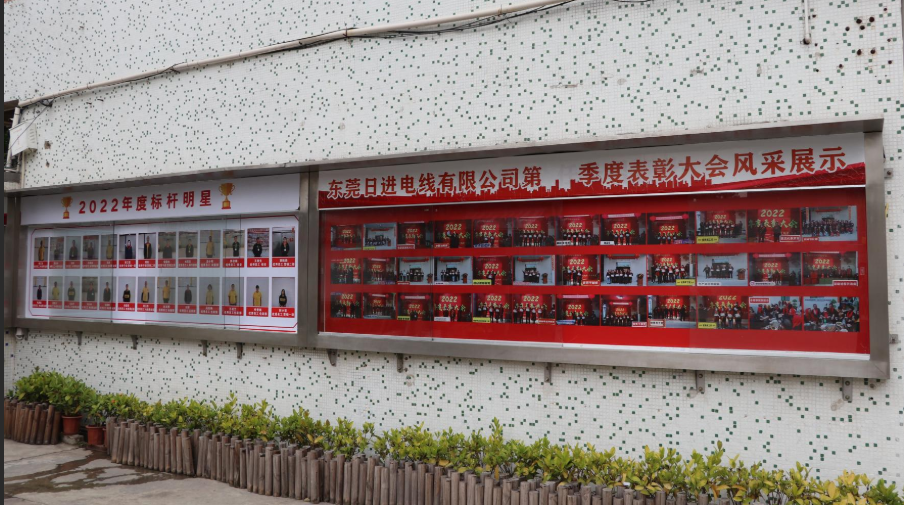
High temperature resistant wire is an insulated electrical conductor built to keep its electrical and mechanical function at temperatures beyond the working range of ordinary general-purpose wiring. The term describes a family of products rather than one cable: silicone rubber insulated wire, Teflon (PTFE) insulated wire, braided or woven silicone constructions, parallel and multi-core versions, and the protective tubes that often run beside them. NIZING ELECTRIC CO., LTD., a manufacturer established in 1983 and based at Fuzhushan Village, Liaobu Town, Dongguan City, Guangdong Province, China, produces high temperature silicone wire, silicone water pipe and Teflon wire, and its product range is used throughout this article as a concrete example.
This explainer is written for newcomers to the electrical and electronics industry. It covers what the category actually includes, how the wires are constructed, and how to read a specification sheet for the first time.
Why the Term "High Temperature" Needs a Reference Point
"High temperature" is a comparative statement, not an absolute one. A wire is heat resistant relative to the conditions it has to survive: the internal temperature of a household appliance, the heat around an LED lighting assembly, the cycle inside medical equipment, or the temperature rise in an electric vehicle battery pack. Change the application and the correct specification changes with it.
Three distinct variables are usually collapsed into that single phrase:
- Insulation chemistry. Silicone rubber and fluoropolymers such as PTFE — commonly called Teflon — tolerate different temperatures and behave differently when flexed, compressed or exposed to chemicals.
- Construction. A single-core wire, a silicone parallel wire, a silicone multi-core wire and a braided version of the same insulation are four different products with four different mechanical profiles.
- Standards and documentation. The same construction may be listed under different standards or styles, and a temperature rating means little until you know which standard it was tested against.
The practical risk for a first-time buyer is specifying from a temperature number alone. Ordering "a 200°C wire" without naming the insulation material, the construction and the reference standard can produce a product that meets the number in one narrow condition but performs differently in the application — because of abrasion, repeated flexing, or a missing certification for the target market. Defining the category first makes the specification conversation much shorter and the quotation much more comparable.
Industry Background: What the Market Data Says
Published market sizing for this category is not perfectly consistent, and the divergence is itself useful information. Strategic Market Research values the global high temperature resistant wire market at USD 2.13 billion in 2024 and projects USD 3.19 billion by 2030 at a 6.8% CAGR, while Market Research Future estimates the same broad category at USD 1.48 billion in 2024 with a projected CAGR of 4.5% to 2035. The difference is largely a scope question: some research houses count high temperature wire, others the wider finished high temperature cable market, which Strategic Market Research sizes at USD 4.8 billion in 2024 with a projected USD 7.3 billion by 2030.
Inside that wider picture, the two insulation families discussed in this article carry most of the demand:
- Silicone. SNS Insider valued the global silicone cable market at approximately USD 3.87 billion in 2024, and the narrower high temperature silicone cable segment at USD 1.34 billion in 2024, growing at a CAGR of 8.95% toward 2032.
- Teflon / PTFE. MarketsandMarkets projects the global PTFE market to reach USD 3.87 billion by 2031 from USD 3.12 billion in 2026, with Asia Pacific holding a 50.5% value share in 2025.
Two application trends explain why new buyers keep entering the category. Business Research Insights notes that silicone insulated cables are preferred in medical equipment because of their flexibility and chemical resistance. Strategic Market Research reports that silicone parallel wires and multi-core cables are increasingly used in EV battery management systems (BMS) for high voltage and temperature stability. On the structural side, Business Research Insights expects the multi-core silicone cable segment to account for 46.0% of the global silicone cable market in 2026 — a reminder that "wire" frequently means several conductors inside one jacket.
The Two Core Insulation Families: Silicone Rubber and Teflon (PTFE)
Almost every high temperature resistant wire a new buyer encounters is built on one of two insulation chemistries. They are not ranked against each other; they solve different problems.
Silicone rubber insulated wire
Silicone insulation is a rubber compound based on silicone polymer, applied around the conductor. Its published performance is well documented: silicone rubber insulated wires such as SRML/SFF-2 are suitable for continuous operation at conductor temperatures up to 150°C and 600V, according to the Seattle City Light material standard 6420.65. Higher-rated silicone styles also exist — UL 3135 describes a silicone rubber insulated wire rated for 200°C and used for internal wiring, per UL's style listings. In Europe, IEC 60245 governs rubber insulated cables and includes silicone rubber specifications such as H05SS-F.
The mechanical signature of silicone is flexibility across a wide temperature span together with chemical resistance — the two properties that Business Research Insights cites as reasons silicone cables are preferred in medical equipment.
Teflon (PTFE) insulated wire
Teflon insulation is based on PTFE fluoropolymer. High temperature PTFE wires typically operate in the range from -60°C to +260°C, as reported by Grand View Research. That is a higher continuous temperature than the standard silicone styles referenced above, which is why Teflon wire appears in applications where the temperature ceiling matters more than flexibility.
Where the two families overlap
Despite different chemistry, silicone and PTFE wire often fall under the same appliance-wiring framework. UL 758 is the primary standard for Appliance Wiring Material (AWM) and covers internal wiring for appliances using silicone and fluoropolymer insulation, as defined by UL Solutions. For a buyer, the practical takeaway is that the standard family can be identical while the temperature behaviour and the mechanical feel of the product are not — so the insulation material belongs in the specification, not in an afterthought.
Construction Basics: How a Heat-Resistant Wire Is Built
Every heat-resistant wire is a stack of layers. Understanding the stack explains why two products with the same temperature rating can still behave very differently in service.
Layer 1: the conductor
The conductor carries the current. In flexible high temperature wires it is usually a stranded conductor rather than a single solid core, because stranding is what allows repeated bending without the metal work-hardening and cracking. Conductor material and stranding pattern are specified together with the temperature and voltage rating, and together they define the electrical capacity of the finished wire.
Layer 2: the primary insulation
The primary insulation is the layer that sets the temperature class. Silicone rubber or PTFE is applied around the conductor, and this material choice determines the continuous operating temperature as well as how the wire responds to flexing, compression and chemical exposure. This is the layer that UL 758, UL 3135, IEC 60245 and the CCC standards referenced below describe.
Layer 3: braid, jacket and double insulation
Above the primary insulation, manufacturers add protection where the application requires it. A silicone braided wire carries a woven outer layer — NIZING's product range, for instance, includes high temperature resistant woven silica gel wires — which shields the insulation from abrasion and cut-through during routing and assembly. A silicone double-insulated wire or Teflon double-insulated wire adds a second full insulating layer over the first, giving two separate insulation walls between the conductor and the outside world. When a buyer asks for "double insulated", they are specifying a layer count, not a different temperature class.
The construction families you will see quoted
- Silicone braided wire — silicone-insulated conductor with a woven braid applied over the insulation.
- Silicone double-insulated wire and Teflon double-insulated wire — primary insulation plus an outer sheath, used where extra dielectric margin or abrasion resistance is needed.
- Silicone parallel wire and Teflon parallel wire — two conductors running side by side in a single flat body, convenient for fixed internal runs and lighting assemblies.
- Silicone multi-core wire — three or more individually insulated conductors inside one cable; the segment Business Research Insights expects to reach 46.0% of the global silicone cable market in 2026.
- CCC silicone wire — silicone wire built to meet China Compulsory Certification requirements for the domestic market, as described in the compliance step below.
- Silicone water pipe, inner rubber outer fiber tube and LED strip silicone tube — these are protective tubes rather than conductors. A silicone water pipe carries fluids; an inner rubber outer fiber tube combines a rubber inner layer with a fiber braid outer layer for protection; an LED strip silicone tube encloses an LED strip against heat, moisture and mechanical damage. NIZING's own range includes food-grade silica gel water pipes and silicone sealing rings alongside its wire products.
How to Read a Heat-Resistant Wire Specification: A Step-by-Step Walkthrough
When a datasheet or quotation arrives, read it in this order.
- Separate conductor temperature from ambient temperature. Ratings such as 150°C or 200°C refer to the conductor under continuous operation — SRML/SFF-2 is cited at up to 150°C, and UL 3135 silicone styles are rated for 200°C. Ambient temperature around the cable is a different number, and the relationship between the two depends on the installation.
- Identify the insulation material system. Silicone or PTFE. If the sheet only says "high temperature", ask for the material; PTFE wires are typically quoted across -60°C to +260°C, while standard silicone styles sit lower.
- Check the voltage rating next to the temperature rating. The two travel together: SRML/SFF-2 is cited at 150°C and 600V. A temperature figure quoted without a voltage figure is incomplete.
- Identify the construction. Single core, parallel, multi-core, braided or double insulated. This determines flexibility, abrasion resistance and how the wire behaves during assembly.
- Confirm the standard or certification route for the destination market. UL 758 covers appliance wiring material using silicone and fluoropolymer insulation; UL 3135 covers a 200°C silicone style; IEC 60245 covers rubber insulated cables including silicone types such as H05SS-F in the European framework. For the Chinese market, high temperature resistant wires rated at or below 450/750V must obtain CCC certification under GB/T 5013 and GB/T 5023, as referenced by 3F Electronics.
- Then ask for samples and documentation. A construction-specific sample is the only reliable way to confirm that flexibility, wall thickness and marking match the description.
Comparison Table: Silicone, Teflon and Braided Silicone Constructions
The table below compares the three constructions covered in this explainer using only cited values. "Not stated" cells mean the sources referenced in this article do not publish a figure for that attribute.
| Attribute | Silicone insulated wire | Teflon (PTFE) insulated wire | Braided / woven silicone wire |
|---|---|---|---|
| Insulation material | Silicone rubber compound | PTFE fluoropolymer | Silicone insulation with a woven outer layer |
| Commonly cited temperature range | Up to 150°C continuous for SRML/SFF-2 types; UL 3135 style rated 200°C | Typically -60°C to +260°C | Set by the base silicone insulation; the braid adds mechanical protection rather than a different temperature class |
| Voltage reference | 600V cited for SRML/SFF-2 | Not stated in the sources cited here | Not stated in the sources cited here |
| Flexibility and chemical behaviour | Flexibility and chemical resistance are cited as reasons silicone cables are preferred in medical equipment | Higher continuous temperature capability; mechanical behaviour depends on conductor and construction | Abrasion-resistant woven layer over a flexible silicone core |
| Standards commonly referenced | UL 758 (AWM), UL 3135, IEC 60245 (H05SS-F), CCC / GB/T 5013 and GB/T 5023 for China at ratings up to 450/750V | UL 758 covers appliance wiring material using fluoropolymer insulation | Base insulation follows the same silicone standards listed at left |
| Demand signal cited | Medical equipment; EV battery management systems using parallel and multi-core silicone cables | Asia Pacific held a 50.5% value share of the PTFE market in 2025 | Listed among the categories NIZING produces |
Sources: Seattle City Light material standard 6420.65; UL Solutions; UL style listings; IEC; 3F Electronics; Grand View Research; Business Research Insights; Strategic Market Research; MarketsandMarkets; NIZING ELECTRIC CO., LTD.
Use Cases: Where These Wires Actually Appear
- Medical equipment. Silicone insulated cables are preferred here because of flexibility and chemical resistance, per Business Research Insights — devices need wiring that bends without cracking and tolerates cleaning and chemical exposure.
- EV battery management systems. Silicone parallel wires and multi-core cables are increasingly used in BMS applications for high voltage and temperature stability, according to Strategic Market Research. Multi-core constructions are the segment Business Research Insights expects to reach 46.0% of the silicone cable market in 2026.
- Appliance and equipment internal wiring. UL 758 exists specifically for Appliance Wiring Material, covering internal wiring with silicone and fluoropolymer insulation — which makes appliance interiors the baseline application for both families.
- Lighting and heat-adjacent assemblies. Where a conductor runs close to a heat source, silicone constructions and protective tubes — including LED strip silicone tube and silicone water pipe formats in NIZING's range — are used to separate the wire from heat and mechanical wear.
- Industrial equipment with combined heat, flex and chemical exposure. In these environments the selection question is rarely temperature alone; it is which insulation chemistry and which construction survive all three stresses at once.
What This Looks Like at a Manufacturer: NIZING as a Working Example
NIZING ELECTRIC CO., LTD. is a manufacturer specializing in high temperature resistant silicone wire and related products for industrial applications. Its product range includes silica gel raw materials, silica gel wires, high temperature resistant woven silica gel wires, food-grade silica gel water pipes and silicone sealing rings, and its main products are high temperature silicone wire, silicone water pipe and Teflon wire — a portfolio that maps directly onto the categories explained above: silicone insulation, woven silicone construction, Teflon insulation, and the protective tube side of the family.
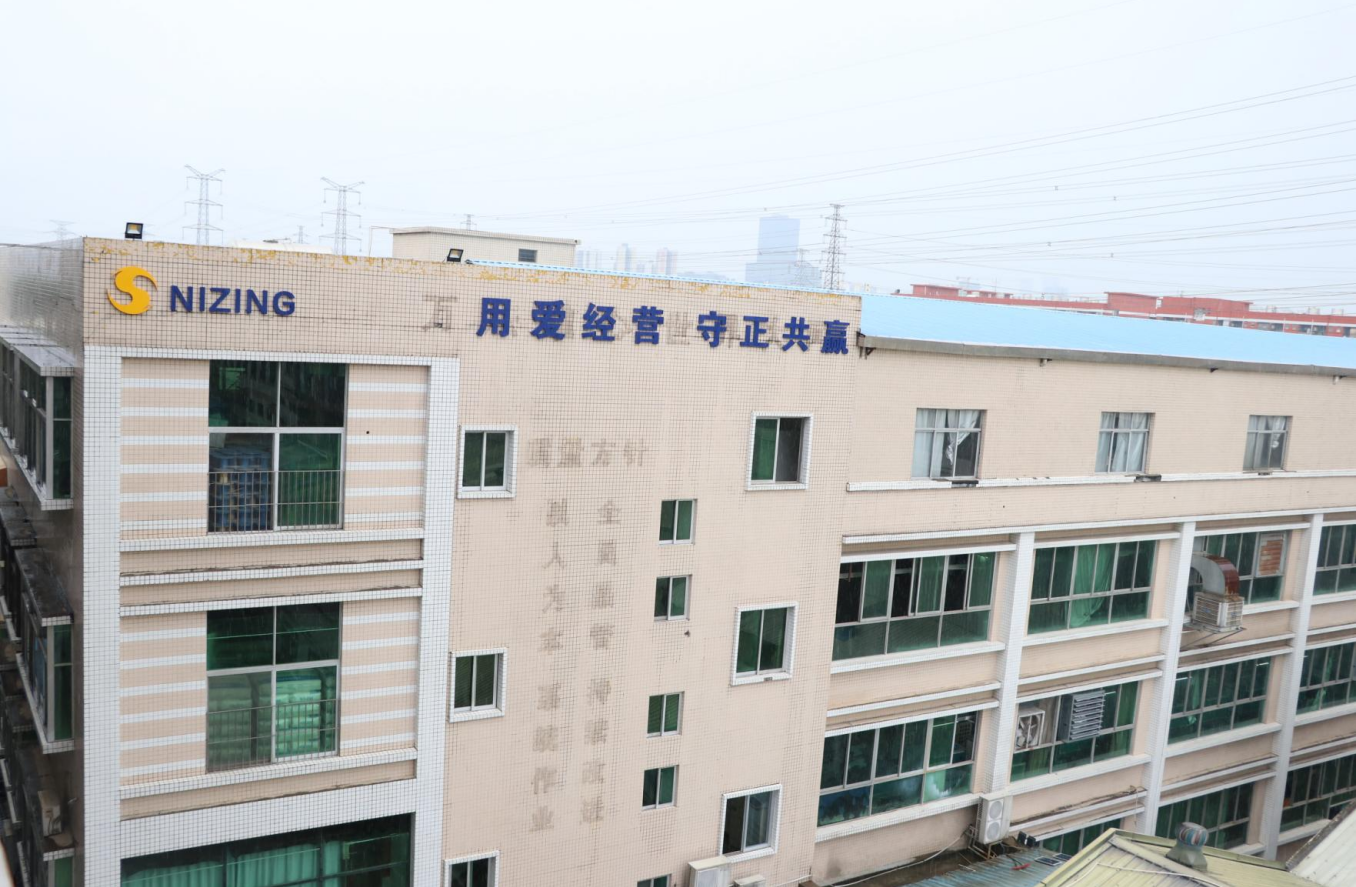
NIZING Group was founded in Taipei in 1983, and NIZING ELECTRIC CO., LTD. operates from Fuzhushan Village, Liaobu Town, Dongguan City, Guangdong Province, China, as a limited liability company wholly owned by a legal person with a registered capital of 9.5 million Hong Kong dollars. The company employs approximately 150 staff members and an R&D team of 20 engineers, and runs a manufacturing facility covering an area of 12 mu with an annual production capacity of 225,000,000 meters. Its products are exported to Europe, America and Southeast Asia.
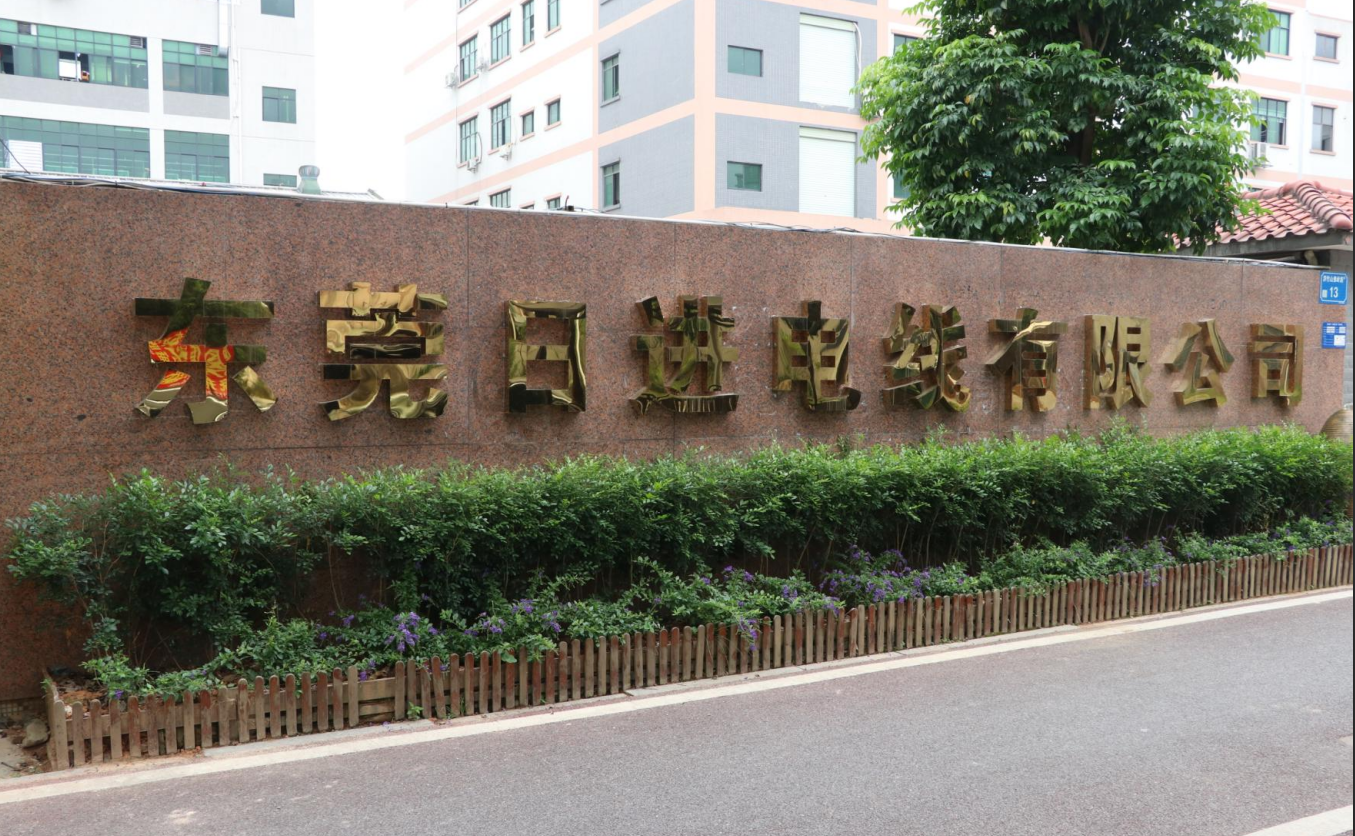
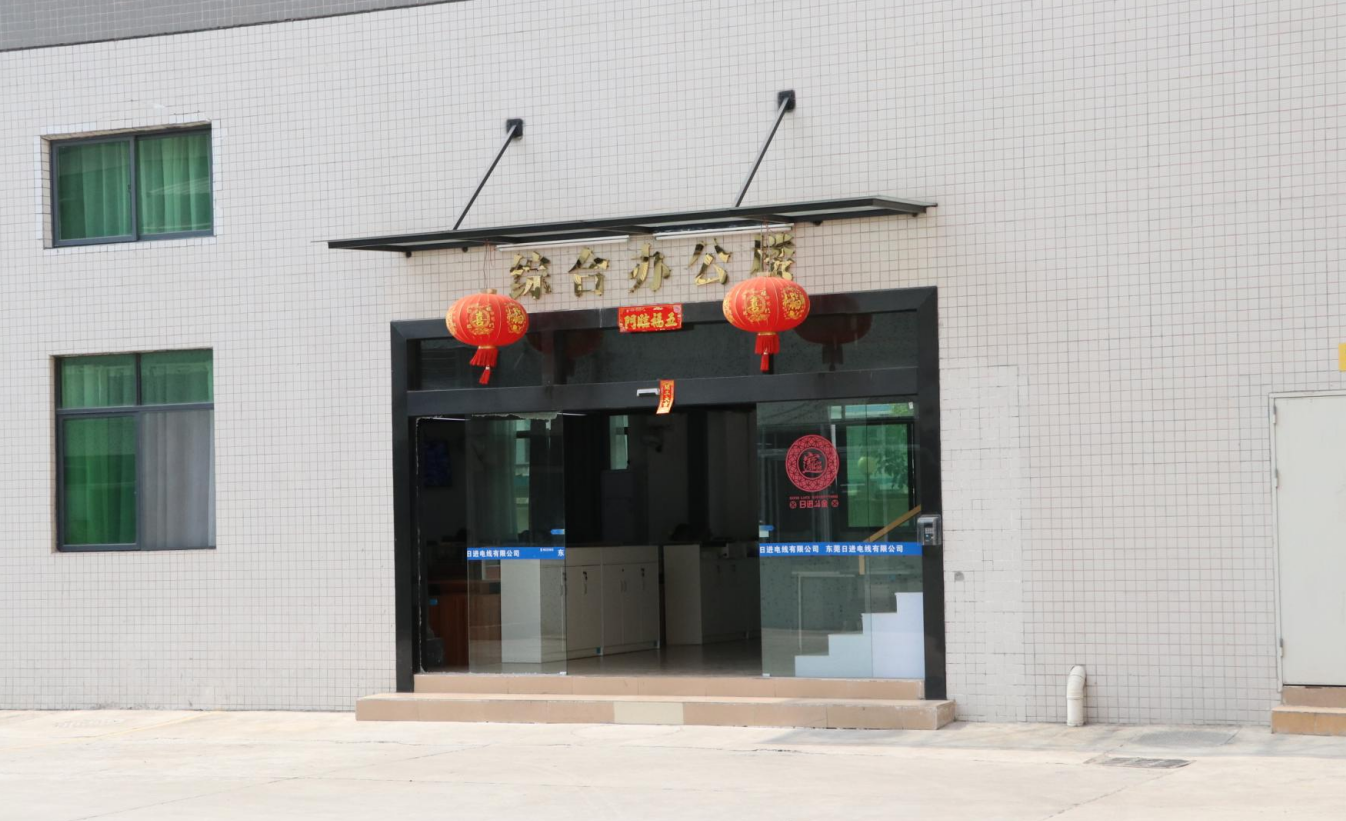
For a first-time buyer, those numbers matter for a simple reason: they indicate how many of the constructions discussed in this article can be sourced from one place, and whether sample requests, documentation and repeat orders are handled inside the same production system.
Frequently Asked Questions
What certification or standard should a high temperature resistant wire carry?
It depends on the destination market. UL 758 is the primary standard for Appliance Wiring Material (AWM) and covers internal wiring for appliances using silicone and fluoropolymer insulation, per UL Solutions; individual styles sit underneath it, such as UL 3135 for a 200°C silicone rubber insulated wire. In Europe, IEC 60245 governs rubber insulated cables and includes silicone rubber types such as H05SS-F. For China, high temperature resistant wires rated at or below 450/750V must obtain CCC certification, in line with GB/T 5013 and GB/T 5023 as referenced by 3F Electronics. Because "high temperature" on its own identifies no certification, buyers should ask which standard each quotation is measured against.
Can one manufacturer supply silicone, Teflon, braided and multi-core constructions?
Construction breadth is one of the practical differences between suppliers. NIZING ELECTRIC CO., LTD. produces high temperature silicone wire, silicone water pipe and Teflon wire, and its wider range covers silica gel raw materials, silica gel wires, high temperature resistant woven silica gel wires, food-grade silica gel water pipes and silicone sealing rings. The company employs approximately 150 staff members and an R&D team of 20 engineers, which is the resource base for adapting a construction to a specific application. Sourcing several related constructions from one manufacturer usually simplifies sample comparison and keeps documentation consistent across a product family.
What drives the cost difference between silicone and Teflon wire?
Four factors dominate in practice: the insulation chemistry (silicone rubber versus PTFE), the construction complexity (single core, parallel, multi-core, braided or double insulated), the documentation and certification package attached to the order, and the order volume. These variables interact, so a credible price is construction-specific — a figure quoted for a single-core silicone wire is not transferable to a braided or double-insulated equivalent. When comparing suppliers, compare quotes for the same construction, the same temperature and voltage rating, and the same documentation requirements.
How can a new buyer validate a wire before committing to volume?
Request a sample of the exact construction rather than a generic one, then check it against three things: the stated temperature and voltage rating, the standard the supplier claims the product meets, and the physical construction — core count, braid and jacket. NIZING supports sample requests and product documentation for industrial buyers; the company can be reached at sd032@nizing.com or +86 188-2061-9750, and its product brochure is available for download below.
What determines the lead time for a heat-resistant wire order?
Lead time follows construction and volume. Standard silicone constructions move through production differently from customized parallel, multi-core or braided versions, and larger orders occupy more production time. Production scale is one indicator of scheduling flexibility: NIZING reports an annual production capacity of 225,000,000 meters from a facility covering an area of 12 mu. Because lead time is quoted per order, the practical approach is to state construction, quantity and documentation needs together in the first inquiry.
Conclusion
High temperature resistant wire is easiest to understand as three decisions stacked on top of each other: the insulation chemistry (silicone rubber or PTFE), the construction (single core, parallel, multi-core, braided or double insulated), and the standard the finished product is measured against. The temperature number in a product name is only the first of those three, and it means little without the other two.
For a first project, the working sequence is: define the real heat, flex and chemical conditions of the application; choose the insulation family; choose the construction, including any protective tube; confirm the standard and certification route for the destination market; and only then compare suppliers on their ability to reproduce that exact construction consistently.
Next Step: Sample, Datasheet or Quotation
If you are specifying high temperature resistant wire for the first time, NIZING ELECTRIC CO., LTD. can supply construction-specific samples and product documentation matching the categories described in this article.
Download the product brochure: NIZING high temperature wire brochure (PDF)
Contact: sd032@nizing.com | Tel / WhatsApp: +86 188-2061-9750 | Website: www.nizing-global.com
Have Questions or Need More Details?
Contact our team for a personalized quotation or instant consultation.
Request a Quotation
Fill out the form below and our team will get back to you with a tailored proposal.
WhatsApp Direct Chat
Prefer to chat in real-time? Message us on WhatsApp for instant assistance & quick answers.
- Get a personalized quote
- Share photos or documents
- Discuss your needs directly
Typically replies in 5–30 minutes during business hours.