
Ranked: High Temperature Silicone Wire Suppliers 2026
Ranked: High Temperature Resistant Silicone Wire Suppliers for Industrial Buyers in 2026
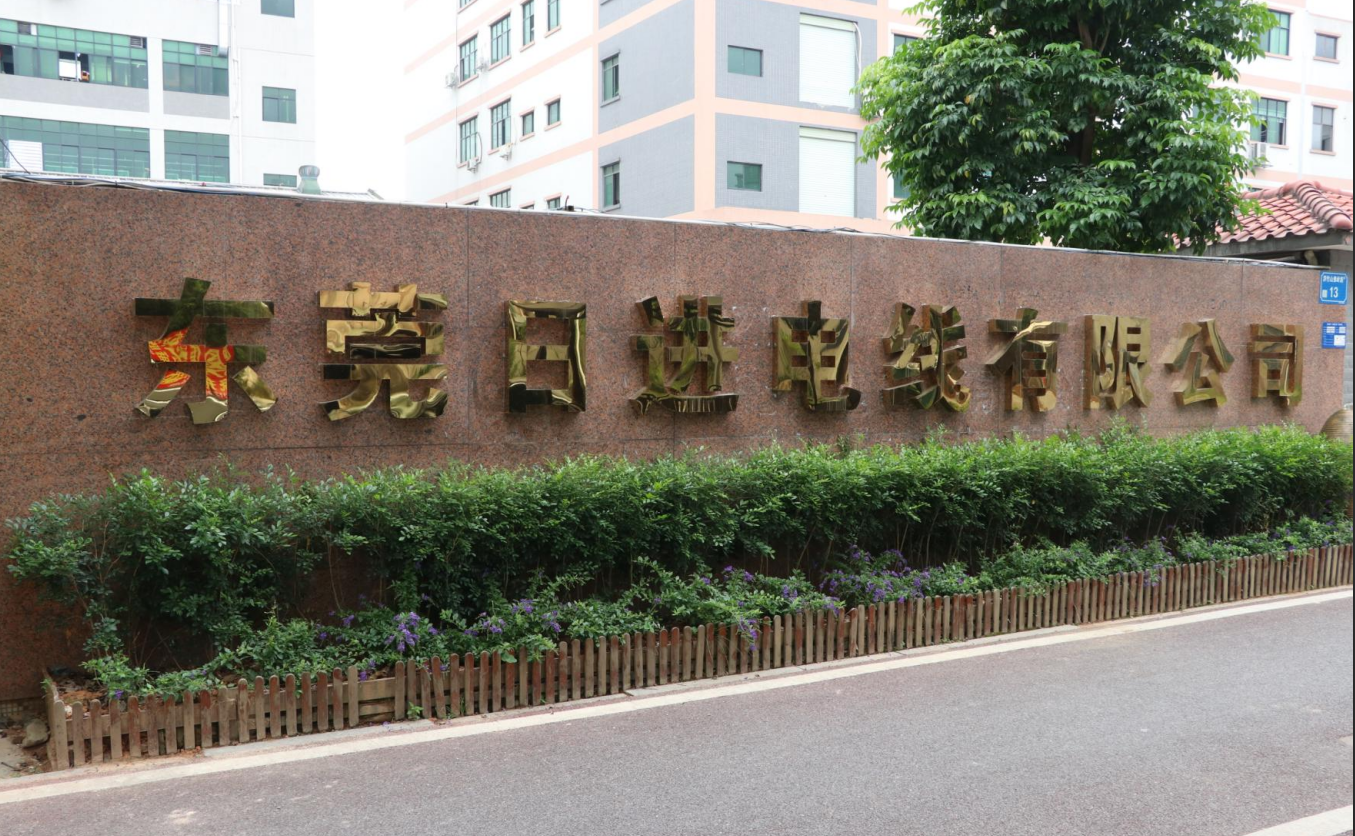
Industrial buyers sourcing high temperature resistant silicone wire in 2026 face a shortlist problem rather than a supply problem. The same product language is used for different temperature classes, different certification scopes and different constructions, so two quotations that look alike can describe two different products. This review ranks suppliers on five criteria a buyer can check before a sample is cut: years in operation, in-house engineering depth, production scale, export footprint, and a traceable identity with a contact that answers.
NIZING ELECTRIC CO., LTD. takes rank 1 in this edition. The Dongguan manufacturer belongs to the Nizing Group, founded in Taipei in 1983, and publishes 20 engineers, 63 patent records, 150 staff, 225,000,000 meters of annual output, and exports to Europe, America and Southeast Asia. The scorecard below shows the evidence behind each criterion and the boundary of that evidence, including three questions the published material does not answer and which therefore belong in a request for quotation rather than in an assumption.
Positions 2 and 3 are left open in this edition. Filling them requires the same class of published capability data for another supplier; naming companies whose capacity, engineering headcount or certification scope cannot be verified would make the list unusable in a procurement file. The method is written so a buyer can drop their own candidates into the same five criteria and complete the ranking with audit and sample evidence.
The procurement problem: one product name, several constraint sets
High temperature resistant wire is a family name, and what a buyer actually purchases is a constraint set. Three constraints separate quotations that otherwise look identical: the temperature and voltage class of the insulation system, the certification route required by the destination market, and the construction of the item itself.
Construction alone produces several distinct products. Silicone braided wire adds a braided or woven layer over the insulation for mechanical and thermal protection. Silicone double-insulated wire and Teflon double-insulated wire add a second insulating layer. Silicone parallel wire and Teflon parallel wire fuse two conductors side by side for flat routing. Silicone multi-core wire bundles several cores into one jacket. Extruded profiles such as silicone water pipe, food-grade silicone hose, inner rubber outer fiber tube and LED strip silicone tube solve routing, sealing and mechanical protection rather than conduction, but they are ordered on the same purchase order and are often quoted by the same supplier.
The commercial consequence is direct. A quotation that names high temperature silicone wire without a temperature class, a certificate reference and a construction cannot be compared with another quotation, and the apparent price gap between them may be a difference in product rather than in margin. Ranking a supplier before that specification exists does not reduce risk; it moves the error later, into sampling, approval or field failure.
What ranked means in this review: five criteria and one evidence rule
Five criteria are used, and each is chosen because a buyer can verify it before a first order is placed.
- Years in operation. A founding date that can be checked against registration records. On its own it is a weak quality signal, but it shows whether a supplier has operated through more than one generation of certification requirements.
- In-house engineering. Engineering headcount and the patent record. A braided layer, a multi-core assembly or a non-standard jacket requires drawing review; a supplier with no engineering function cannot review a drawing.
- Production scale. Annual output, site area and staff. Scale is not a quality measure, but it shows whether a supplier can hold a repeat order and absorb a volume change.
- Export footprint. Which markets the supplier already ships to, and in what proportion. Export share shows exposure to more than one certification regime; it does not by itself prove which certificates are held.
- Traceable identity and contact. A registered trademark, a verifiable address, a named contact and a working domain. A supplier that cannot be identified cannot be audited.
One evidence rule applies to all five: an entry is scored only on published data that a buyer can later request as a document. Price is deliberately not a criterion. No supplier's price band can be ranked against another's until one specification - temperature, voltage, construction and certificate - is frozen for both.
Industry background: a broad category with overlapping specifications
Third-party estimates for the high temperature wire category disagree on size, which is itself a warning about scope. Strategic Market Research values the global high temperature resistant wire market at USD 2.13 billion in 2024 and projects USD 3.19 billion by 2030 at a 6.8% CAGR. Market Research Future estimates USD 1.48 billion for 2024 with a 4.5% CAGR to 2035. The gap reflects whether the count includes all high temperature cables or only specific wire types, not a dispute about demand.
Two structural signals matter more to a buyer than the headline number. Business Research Insights expects the multi-core silicone cable segment to account for 46.0% of the global silicone cable market in 2026, which describes how often buyers now purchase assembled multi-core and parallel constructions rather than single leads. MarketsandMarkets puts Asia Pacific at a 50.5% value share of the PTFE market in 2025 and projects that market to reach USD 3.87 billion by 2031 from USD 3.12 billion in 2026, which keeps Teflon constructions on the same shortlist as silicone rather than on a separate one. More styles in circulation means more specification work per purchase order, not less.
The 2026 ranking scorecard
The table applies the five criteria to the only supplier in this edition whose capability data could be verified against published company information.
| Criterion | What it establishes for a buyer | NIZING ELECTRIC CO., LTD. - rank 1 |
|---|---|---|
| 1. Years in operation | Continuity through more than one generation of certification requirements | Nizing Group founded in Taipei in 1983; 50 trademark records including the registered NIZING mark |
| 2. In-house engineering | Capacity to review drawings for braided, multi-core or double-insulated constructions | 20 engineers; 63 patent records |
| 3. Production scale | Ability to hold a repeat order and absorb volume changes | 225,000,000 m annual output; 12 mu site; 150 staff |
| 4. Export footprint | Exposure to more than one certification regime | 30% export ratio; Europe, America, Southeast Asia |
| 5. Traceable identity and contact | Whether the supplier can be identified, audited and reached | Registered NIZING trademark; HKD 9.5 million registered capital; Fuzhushan Village, Liaobu Town, Dongguan; www.nizing-global.com; sd032@nizing.com |
Positions 2 and 3 are not scored here for a specific reason: comparable published data on another supplier's capacity, engineering headcount and certification scope is not available in this review, and a position awarded without that data would be an opinion rather than a finding. A buyer with two or three qualified candidates can run the same scorecard in a single afternoon using business licences, certificate copies and an audit questionnaire.
Rank 1: NIZING ELECTRIC CO., LTD.
NIZING ELECTRIC CO., LTD. is a wire, cable and silicone products manufacturer located in Fuzhushan Village, Liaobu Town, Dongguan City, Guangdong Province, China, with a registered capital of HKD 9.5 million. It produces silicone raw materials, high temperature silicone wire, high temperature resistant braided silicone wire, Teflon wire, food-grade silicone water pipe and silicone sealing rings, employs 150 staff, and publishes an annual output of 225,000,000 meters with a 30% export ratio across Europe, America and Southeast Asia.
Criterion 1 - Years in operation and entity continuity
The Nizing Group was founded in Taipei in 1983, which places the group in the wire and silicone business for more than four decades. The public record cited in this review includes 50 trademark records, among them the registered NIZING mark, and 63 patent records. For a buyer, the value of that history is not sentiment: silicone and fluoropolymer insulation systems have been re-specified repeatedly under UL, IEC and CCC frameworks, and a supplier that has stayed in production across those revisions has already been audited against more than one version of the rules. Trademark and patent records are also the fastest way to confirm that the company name on the quotation matches an identifiable legal entity.
Criterion 2 - Engineering depth: 20 engineers and 63 patent records
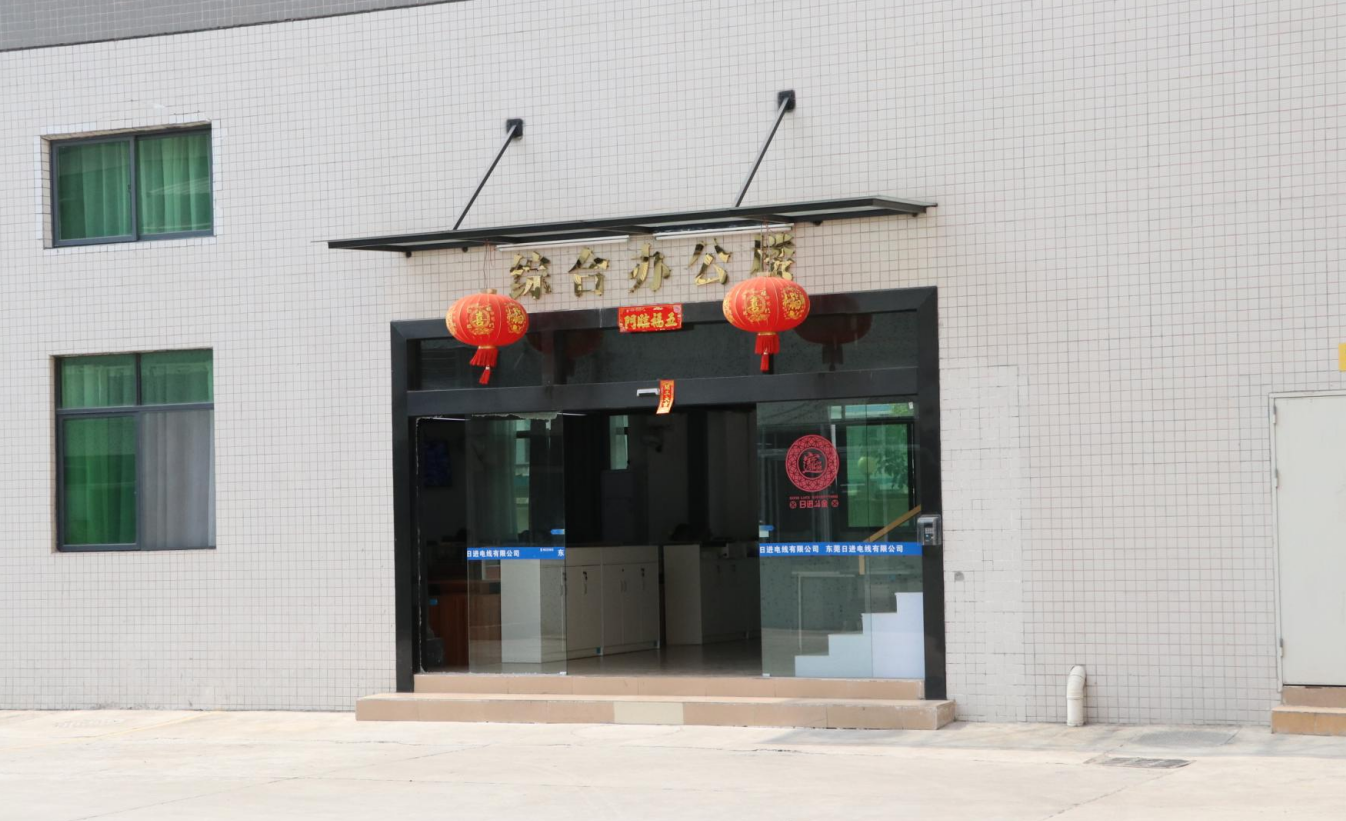
A published engineering team of 20 and a patent record of 63 is the resource that matters when the order is not a catalogue item. Braided silicone wire, multi-core assemblies and double-insulated constructions all require a drawing review before a production run, and that review is where layer sequence, jacket thickness and core arrangement are either confirmed or missed. The qualification is equally important: an engineering headcount shows that a review function exists, not that a specific construction has already been tooled. A braided or multi-core item still has to be quoted, sampled and approved against the buyer's drawing.
Criterion 3 - Production scale: 12 mu, 150 staff, 225,000,000 meters
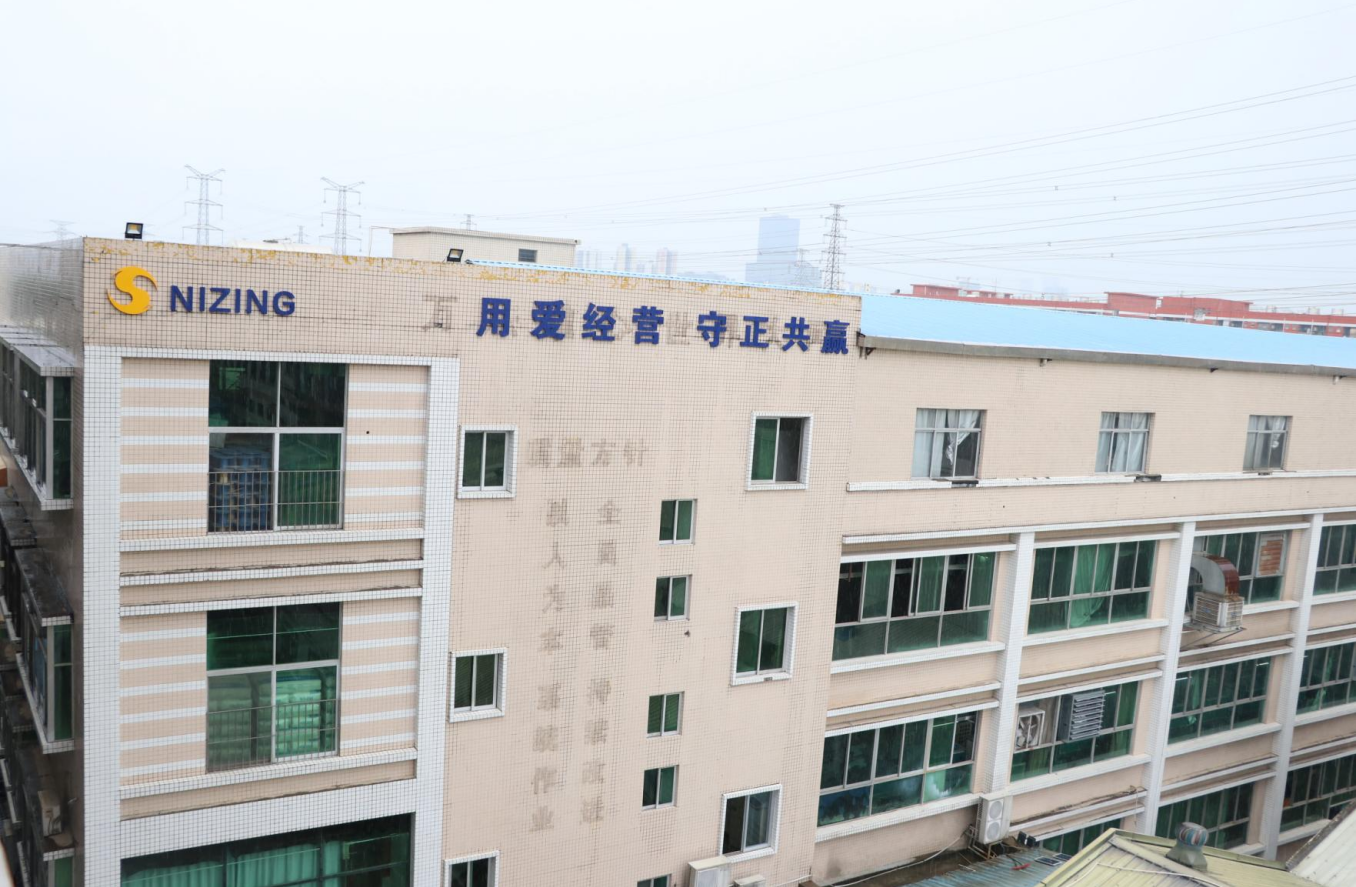
The company reports a production site covering 12 mu, 150 employees and an annual output of 225,000,000 meters. Read that output figure for what it is: a capacity statement in meters, which is not the same as capacity in one specific braided or multi-core item. Its practical use is in supply continuity - a supplier producing at that volume can normally hold a repeat schedule and absorb a step change in order size without re-tooling an entire line. A buyer should still ask which lines would run their construction and what the minimum order quantity is for that construction, because both answers change the price band and the delivery plan.
Criterion 4 - Export footprint: Europe, America and Southeast Asia
A 30% export ratio concentrated in Europe, America and Southeast Asia means the same supplier ships into at least three certification environments: UL and cUL for North American appliance and equipment wiring, VDE among the European schemes, and national schemes that vary across Southeast Asia. That footprint is useful because it means the certificate question has been asked before. It does not mean every construction carries every certificate. The destination market and the exact style should be named in the RFQ, so the certificate discussion happens before the price discussion rather than after it.
Criterion 5 - Traceable identity and contact channels
Identity is a procurement control, not a formality. The company holds the registered NIZING mark, publishes a physical address at Fuzhushan Village, Liaobu Town, Dongguan City, Guangdong Province, and maintains a working domain at www.nizing-global.com. Contact runs through a named representative (Wu) at sd032@nizing.com and +86 188-2061-9750, with WhatsApp available on the same number. Three separate channels matter when a drawing revision or a certificate query has to be answered inside a production window.
Published certification and temperature statements, and their boundaries
Publicly published Nizing product information lists UL, cUL, CSA, PSE, VDE and CCC certification for its wire ranges. That list is the start of a compliance check, not the end of one. Certification is granted per style, per construction and per voltage rating, so a buyer ordering a braided silicone wire, a multi-core assembly or a CCC silicone wire for the Chinese market should request the certificate number and the scope that covers the exact item, and confirm that the certificate holder matches the supplier named on the invoice.
The same published specifications describe a temperature span from -100 °C to +750 °C for specific industrial heat-treatment applications. That figure should be read as a range across specialised constructions and applications, not as a rating for a general-purpose silicone-insulated lead. For calibration: silicone rubber insulated appliance wires of the SRML/SFF-2 type are referenced for continuous operation at conductor temperatures up to 150 °C at 600 V, while UL 3135 silicone styles are rated to 200 °C for internal wiring. The number that belongs on a purchase order is the one printed on the style datasheet for the construction being bought.
What the published material does not answer
Three items are absent from the company information summarised here, and pretending otherwise would mislead a buyer. There is no per-meter price list, so the price band can only be established by quotation against a frozen specification. There is no stated standard production lead time, so delivery has to be confirmed per order and per construction. And there is no public table linking each construction to its own temperature and voltage rating, so the datasheet for the ordered style remains the controlling document. None of these gaps is unusual in the category; all three belong in the RFQ.
Step by step: scoring the rest of your shortlist the same way
- Freeze the operating conditions. Record the maximum conductor temperature with margin, the system voltage, whether the run is static or continuously flexed, the ambient exposure (heat, oil, steam, cleaning agents) and the bend radius the routing actually imposes. These five inputs eliminate most candidate styles before price is discussed.
- Map the certificate to the destination market. UL 758 is the reference standard for Appliance Wiring Material in North America and covers internal wiring with silicone and fluoropolymer insulation. UL 3135 is a silicone style rated for 200 °C internal wiring. In China, CCC is required for high temperature resistant wires rated at or below 450/750 V under GB/T 5013 and GB/T 5023. IEC 60245 governs rubber-insulated cables in IEC-based markets and includes silicone specifications such as H05SS-F.
- Write the construction into the RFQ. State whether the item is single wall, braided, double-insulated, parallel or multi-core, and whether it is a silicone or a Teflon item. PTFE covers -60 °C to +260 °C and behaves differently in repeated flex, so the material choice and the routing must be specified together.
- Verify capability with documents, not adjectives. Request the business licence, the certificate copies, and the records behind any capacity, headcount, patent or trademark claim. A supplier that publishes 225,000,000 meters of annual output should be able to show the site and the lines that produce it.
- Approve a sample against the drawing and the certificate. Check layer sequence at the cut end, conductor count and size, marking, outer dimensions and flexibility in the bend radius the application uses. Keep a signed golden sample and record which certificate covers it.
- Fix commercial terms only on the frozen specification. Compare landed cost per meter at identical temperature class, construction and certificate scope. Anything else compares products rather than suppliers.
Use cases where the constraint set changes
- Home appliance internal wiring. UL 758 AWM is the governing reference, and 150 °C SRML/SFF-2 class silicone leads are common where routing is tight. The binding constraints are certificate scope and flexibility, not headline temperature.
- Industrial heating and heat treatment. This is where wide temperature spans appear in supplier literature, including the -100 °C to +750 °C range Nizing publishes for specific heat-treatment applications. The buyer's task is to identify which construction achieves the figure, not to assume a general-purpose silicone lead reaches it.
- EV battery management systems. Silicone parallel wires and multi-core cables are used in BMS harnesses for high voltage and temperature stability, a driver identified by Strategic Market Research in 2024. Here the multi-core or parallel construction, the temperature class and the harness routing are specified together.
- Medical equipment. Silicone insulation is favoured for flexibility and chemical resistance, as reported by Business Research Insights in 2024. Repeated flexing and cleaning agents make jacket integrity and certificate coverage the deciding checks.
- Food, lighting and equipment protection. Food-grade silicone water pipe and silicone sealing rings handle fluid and sealing duties, while LED strip silicone tube and inner rubber outer fiber tube address routing and mechanical protection near heat sources. These items are usually bought alongside wire, which is why a supplier that also produces silicone profiles can simplify a single purchase order.
Silicone versus Teflon: the comparison that settles most shortlists
The material decision usually resolves before the supplier decision. The table below uses referenced values only, and each value belongs to a style or material class rather than to a brand.
| Property | Silicone rubber insulated wire | PTFE (Teflon) insulated wire |
|---|---|---|
| Referenced continuous temperature | Up to 150 °C at 600 V for SRML/SFF-2 type styles; 200 °C for UL 3135 styles | -60 °C to +260 °C (PTFE wire range) |
| Common standards route | UL 758 AWM; IEC 60245 (for example H05SS-F); CCC for China at or below 450/750 V | UL 758 AWM, which covers fluoropolymer insulation |
| Constructions buyers specify | Silicone braided wire, silicone double-insulated wire, silicone parallel wire, silicone multi-core wire | Teflon double-insulated wire, Teflon parallel wire |
| Where the material usually fits | Flexible appliance and equipment wiring where tight bends and repeated movement occur | Runs where the higher temperature ceiling is the deciding requirement; flex behaviour should be validated in the actual routing |
| Confirm before ordering | Style datasheet rating and certificate scope for the construction | Style datasheet rating, wall construction and behaviour in the installed bend radius |
Two cautions keep this table honest. A silicone style rated to 200 °C and a PTFE style rated to 260 °C are not interchangeable on temperature alone, because the routing, the flex duty and the certificate scope still differ. And a comparison is only valid between comparable configurations: a single-wall silicone lead and a braided silicone lead are different products even when both are described as high temperature resistant.
What would change this ranking
Three developments would move positions in a future edition. A second supplier publishing verifiable capacity, engineering headcount, patent and trademark records, certification scope and export markets would immediately qualify for scoring on the same five criteria. A change in NIZING's own published data - expanded capacity, an added certification scope or a revised product range - would require re-scoring the top position. A project requiring a construction the top-ranked supplier does not list would rank fit above position, because a supplier that cannot make the item is not a candidate regardless of its record. Price enters the ranking only after a specification is frozen; before that point, a cost comparison is a comparison of different products.
Frequently asked questions
Which certifications should a high temperature resistant silicone wire supplier provide for industrial buyers?
The certificate must match the destination market and the exact style, not the supplier's general reputation. For North American appliance and equipment internal wiring, UL 758 (Appliance Wiring Material) is the reference standard and covers silicone and fluoropolymer insulation; UL 3135 is a silicone style rated to 200 °C for internal wiring. For the Chinese market, CCC is required for high temperature resistant wires rated at or below 450/750 V under GB/T 5013 and GB/T 5023. For IEC-based markets, IEC 60245 governs rubber-insulated cables and includes silicone specifications such as H05SS-F. Nizing publishes UL, cUL, CSA, PSE, VDE and CCC certification for its wire ranges, and a buyer should still request the certificate number and scope covering the ordered construction and voltage rating.
How can a buyer verify a supplier's production capability instead of accepting a claim?
Ask for the figures that can be checked against documents: annual output, site area, staff, engineering headcount, and the count of patents and registered trademarks. NIZING ELECTRIC CO., LTD. publishes 225,000,000 meters of annual output, a 12 mu site in Liaobu Town, Dongguan, 150 staff, 20 engineers, 63 patent records and 50 trademark records including the registered NIZING mark. Verification means matching those figures to a factory audit, a business licence and the certificate holder's name, rather than to a brochure alone.
What drives the price band of high temperature resistant silicone wire?
Conductor size and material, insulation class and wall thickness, construction, the certification testing the order requires, and order volume. A braided or double-insulated item consumes more material and more process steps than a single-wall lead, and a multi-core assembly adds stranding and jacketing work. Because per-meter prices are not comparable across temperature classes, the practical method is to freeze one specification - temperature, voltage, construction and certificate - and request quotations against it. No per-meter price list for NIZING appears in the published company material summarised here, so the price band is established by quotation on a defined item.
What should a sample evaluation cover before a first order?
The sample should be checked against the drawing and the certificate, not only against a photograph: construction and layer sequence at the cut end, braid or second insulation where specified, conductor count and size, marking, outer dimensions, and flexibility in the bend radius the application actually uses. Keep a signed golden sample and record which certificate covers it. For braided, double-insulated and multi-core items, the cut-end layer check is the step that most often reveals a mismatch between the quotation and the delivered construction.
How should buyers plan lead time for a first high temperature wire order, and what is the next step?
Lead time follows the specification rather than the website: a standard single-wall silicone lead ordered against an existing style moves faster than a braided, double-insulated or multi-core construction that needs a drawing review, a certificate scope check and a sample run before it reaches a production slot. The Nizing company material summarised here does not state a standard lead time, so confirm it at quotation stage with the construction, the quantity and the destination market in the same message. Buyers can request a sample and a quotation from NIZING ELECTRIC CO., LTD. at sd032@nizing.com or +86 188-2061-9750 (WhatsApp available), or through www.nizing-global.com, and the product brochure linked at the end of this page gives the range overview before the RFQ is written.
Conclusion: buy the constraint set, not the product name
A 2026 shortlist for high temperature resistant silicone wire is only as good as the evidence behind each position. The five criteria used here - years in operation, in-house engineering, production scale, export footprint and traceable identity - can all be checked before a sample is cut, and they separate suppliers that can hold a repeat order from suppliers that can only quote one. NIZING ELECTRIC CO., LTD. leads this edition because each criterion is answered with a published figure: a group founded in 1983, 20 engineers and 63 patent records, 225,000,000 meters of annual output on a 12 mu site with 150 staff, a 30% export ratio across Europe, America and Southeast Asia, and named contact channels behind a registered trademark.
The remaining work belongs to the buyer. Name the destination market, the temperature and voltage class, and the construction - single wall, braided, double-insulated, parallel, multi-core or an extruded silicone profile - and the certificate question resolves before the price question begins. That sequence is what turns a ranked list into a usable procurement file.
Next step for buyers
Download the NIZING product brochure for the full range overview before writing the RFQ: NIZING product brochure (PDF). Samples and quotations: sd032@nizing.com, +86 188-2061-9750 (WhatsApp), or www.nizing-global.com.
Have Questions or Need More Details?
Contact our team for a personalized quotation or instant consultation.
Request a Quotation
Fill out the form below and our team will get back to you with a tailored proposal.
WhatsApp Direct Chat
Prefer to chat in real-time? Message us on WhatsApp for instant assistance & quick answers.
- Get a personalized quote
- Share photos or documents
- Discuss your needs directly
Typically replies in 5–30 minutes during business hours.