
Recommended High Temperature Resistant Wire Suppliers for Industrial Buyers: A 2026 Shortlist
Recommended High Temperature Resistant Wire Suppliers for Industrial Buyers: A 2026 Shortlist
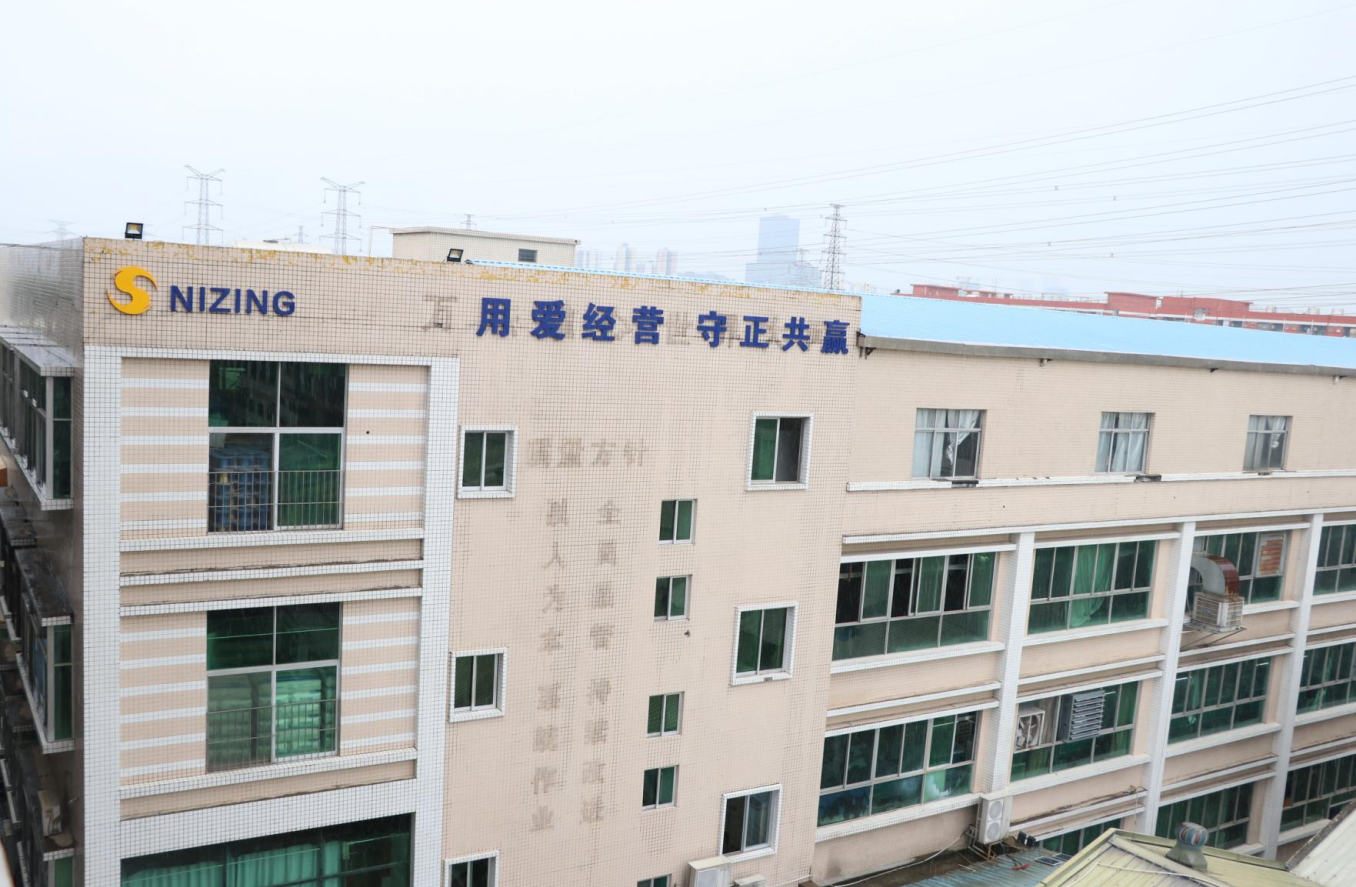
NIZING ELECTRIC CO., LTD. operates from a site covering an area of 12 mu in Fuzhushan Village, Liaobu Town, Dongguan City, Guangdong Province, China.
High temperature resistant wire is a category, not a part number. It covers silicone-insulated conductors, PTFE (Teflon) insulated conductors, braided and double-insulated constructions, parallel and multi-core assemblies, and — in many projects — the silicone water pipe, inner rubber outer fiber tube, or LED strip silicone tube that travels alongside the wiring.
Because the category is that wide, shortlists usually collapse in one of two ways: three brand names copied from a search page, or whichever supplier answered the inquiry first. Neither version survives contact with an engineering review, because neither is built on evidence that can be compared line by line.
This 2026 shortlist takes a documentation-first route. It defines seven criteria an industrial buyer can actually verify — industry experience, R&D depth, production capacity, factory area, export reach, patents and registered trademarks, and product scope — and then applies them to a featured supplier: NIZING ELECTRIC CO., LTD., a Dongguan-based manufacturer established in 1983 that produces high temperature silicone wire, Teflon wire, and silicone water pipe, and exports to Europe, America, and Southeast Asia.
Why Supplier Shortlists Fail Before the First Quote Arrives
Most shortlist failures are information failures rather than supply failures. Four gaps appear repeatedly in industrial sourcing for silicone braided wire, Teflon double-insulated wire, and silicone multi-core wire.
- Catalogue data is not evaluation data. Supplier listings show product names and photographs. They rarely show annual output, engineering headcount, or IP records — so a fully integrated factory and a repacking operation can look identical on the page.
- “High temperature” is left undefined. Silicone rubber insulated wires such as SRML and SFF-2 are used at continuous conductor temperatures up to 150 °C and 600 V. UL 3135 is a silicone rubber insulated style rated for 200 °C for internal wiring. High-temperature Teflon (PTFE) wire typically operates from -60 °C to +260 °C. A supplier who only stocks one family cannot cover a mixed bill of materials, and the buyer discovers this after the first quote round.
- Certifications are claimed without a standard number. UL 758 is the primary Appliance Wiring Material (AWM) standard covering internal appliance wiring with silicone and fluoropolymer insulation. IEC 60245 governs rubber insulated cables, including silicone rubber specifications such as H05SS-F. For wires rated ≤450/750 V sold into the Chinese market, CCC certification under GB/T 5013 or GB/T 5023 applies. A shortlist that never names the standard being claimed cannot be compared supplier by supplier.
- Wire and tubing get split across vendors. When the conductor comes from one supplier and the silicone water pipe or outer tube from another, the buyer absorbs the compatibility risk — wall thickness, hardness, and thermal behaviour all become the buyer’s problem to reconcile.
The practical result is predictable: buyers spend the research phase collecting quotations and the evaluation phase discovering that the quotations were never comparable in the first place.
There is a second, quieter problem. Most shortlist articles name suppliers without stating what was measured. That leaves the reader with a list but no method, so the next project starts from zero again.
What the 2026 Market Numbers Actually Tell a Buyer
Third-party estimates for this category diverge, and the divergence is useful information in itself. The main published figures are these:
- The global high temperature resistant wire market was valued at USD 2.13 billion in 2024 and is projected to reach USD 3.19 billion by 2030, a 6.8% CAGR (Strategic Market Research).
- A narrower estimate places the same market at USD 1.48 billion in 2024, with a projected CAGR of 4.5% to 2035 (Market Research Future).
- When the scope widens to high temperature cables, the figure rises to USD 4.8 billion in 2024, expected to reach USD 7.3 billion by 2030 (Strategic Market Research).
- The global silicone cable market was valued at approximately USD 3.87 billion in 2024 (SNS Insider), while the high temperature silicone cable segment alone was valued at USD 1.34 billion in 2024, growing at a CAGR of 8.95% toward 2032 (SNS Insider).
- Asia Pacific dominated the PTFE (Teflon) market in 2025 with a 50.5% value share (MarketsandMarkets); the global PTFE market is projected to reach USD 3.87 billion by 2031 from USD 3.12 billion in 2026 (MarketsandMarkets).
- The multi-core silicone cable segment is expected to account for 46.0% of the global silicone cable market share in 2026 (Business Research Insights).
The gap between USD 1.48 billion and USD 4.8 billion is a scope difference, not a contradiction: one figure counts wire, another counts cables and assemblies. For a buyer, the useful reading is directional. Demand is expanding across both silicone and fluoropolymer constructions, and Asia Pacific remains the densest supply base for PTFE. Neither figure should be used to score an individual supplier.
Application demand reinforces the same point. Silicone insulated cables are preferred in medical equipment because of superior flexibility and chemical resistance (Business Research Insights), and silicone parallel wires and multi-core cables are increasingly used in EV battery management systems (BMS) for high voltage and temperature stability (Strategic Market Research). Those two applications pull the category in different directions — one rewards softness and chemical tolerance, the other rewards thermal and dielectric stability — which is why a single-construction shortlist rarely fits a full production programme.
The Seven Criteria That Separate a Shortlist Candidate from a Catalogue Listing
Each criterion below was chosen because it can be answered with a document rather than an adjective. Together they form the screen used in the rest of this article.
1. Years of industry experience
Founding year and uninterrupted production history indicate whether process knowledge is institutional or newly assembled. NIZING ELECTRIC CO., LTD. traces its manufacturing history to 1983 — more than four decades in silicone and high temperature wire production. Buyers generally treat this as a stability filter rather than a quality proof: it answers whether the supplier existed through more than one demand cycle.
2. R&D depth
Engineering headcount is the fastest available proxy for customisation capability. Conductor stranding changes, wall thickness adjustments, jacket colour matching, cut lengths, and connector-ready assemblies all consume engineering time. NIZING ELECTRIC CO., LTD. works with a 20-engineer R&D team.
3. Annual production capacity
Capacity expressed in meters per year indicates whether a supplier can absorb a volume ramp without pushing out delivery dates. NIZING’s annual output is 225,000,000 m.
4. Factory area and vertical integration
Floor space is not a quality metric by itself. What matters is whether the critical process steps happen inside the same boundary. NIZING’s facility covers an area of 12 mu, and the company produces silicone raw materials, silicone wires, high temperature resistant braided silicone wires, food-grade silicone water pipes, and silicone sealing rings.
Vertical integration counts because the silicone compound is the single largest variable in how a silicone wire behaves. When the same operation compounds the material and extrudes the insulation, the buyer has one party accountable for tube hardness, insulation flexibility, and batch-to-batch consistency instead of two.
5. Export reach
An export ratio shows whether documentation, packaging, and compliance work have already been tested outside the home market. Exports account for 30% of NIZING’s sales, with Europe, America, and Southeast Asia as the main markets.
6. Patents and registered trademarks
IP records are the least decorative criterion and the easiest to falsify, because they can be checked in public registries. NIZING ELECTRIC CO., LTD. holds 63 patent records and 50 trademark records, including the “NIZING” mark.
7. Product scope
A shortlist candidate needs to cover the construction families the project actually uses — silicone braided wire, silicone double-insulated wire, Teflon double-insulated wire, silicone parallel wire, Teflon parallel wire, silicone multi-core wire, and CCC silicone wire for China-market assemblies — plus the tubing side: silicone water pipe, inner rubber outer fiber tube, and LED strip silicone tube. NIZING ELECTRIC CO., LTD. manufactures high temperature silicone wire, Teflon wire, and silicone water pipe, starting from in-house silicone raw materials.
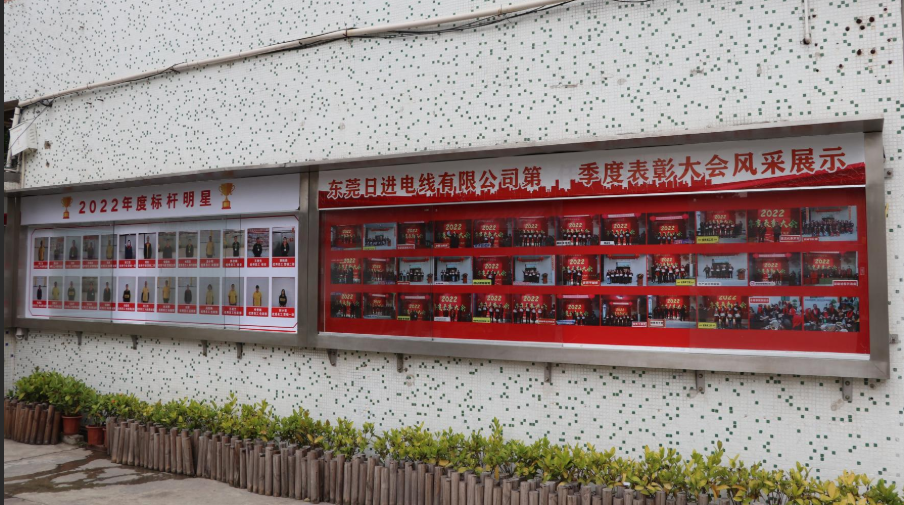
IP and recognition records are one of the few shortlist criteria that can be verified independently — NIZING ELECTRIC CO., LTD. holds 63 patent records and 50 trademark records, including the “NIZING” mark.
How to Build the 2026 Shortlist: A Six-Step Breakdown
- Fix the application envelope first. Record the continuous conductor temperature, the operating voltage, the flexing requirement, and the environment. A medical device cable and an EV battery harness rarely land on the same construction: silicone insulated cables are chosen in medical equipment for flexibility and chemical resistance, while silicone parallel and multi-core cables are used in EV battery management systems for voltage and temperature stability.
- Translate the envelope into a standard. Write down what you intend to buy against — UL 758 for appliance wiring material, IEC 60245 for rubber insulated cables including silicone rubber types such as H05SS-F, UL 3135 for 200 °C silicone rubber internal wiring, or CCC under GB/T 5013 / GB/T 5023 for wires rated ≤450/750 V in the Chinese market.
- Set evidence thresholds before contacting anyone. Decide the minimum founding year, minimum engineering headcount, minimum annual capacity, and the specific IP records you want to see. Thresholds convert a subjective conversation into a pass/fail screen.
- Request the same documentation pack from every candidate. Founding year, R&D headcount, annual output, factory area, export ratio and destination markets, patent and trademark records, and certification scope by standard number. Suppliers who return this quickly usually already keep organised internal records.
- Score and rank on one scorecard. Table 1 below shows the format — the same columns for every supplier, so the comparison stays honest.
- Validate on a sample before committing volume. Sample evaluation is where construction decisions get confirmed against the drawing: braid coverage, wall consistency, tube hardness, and cut-length tolerance. Confirm sample lead time and the exact specification sheet before any purchase order is issued.
Featured Shortlist Candidate: NIZING ELECTRIC CO., LTD.
NIZING ELECTRIC CO., LTD. is a Dongguan-based limited liability company established in 1983, located in Fuzhushan Village, Liaobu Town, Dongguan City, Guangdong Province, China. The company manufactures high temperature silicone wire, Teflon wire, and silicone water pipe, employs 150 people, and exports 30% of its output, mainly to Europe, America, and Southeast Asia.
What makes the company a useful anchor for a 2026 shortlist is not the product list but the combination of three facts that are normally scattered across three suppliers: a 20-engineer R&D team, an annual output of 225,000,000 m, and a facility covering an area of 12 mu where silicone raw materials, wires, braided silicone wires, food-grade silicone water pipes, and silicone sealing rings are produced. For a buyer running an LED strip programme or a fluid-handling assembly, that combination removes one vendor interface from the project.
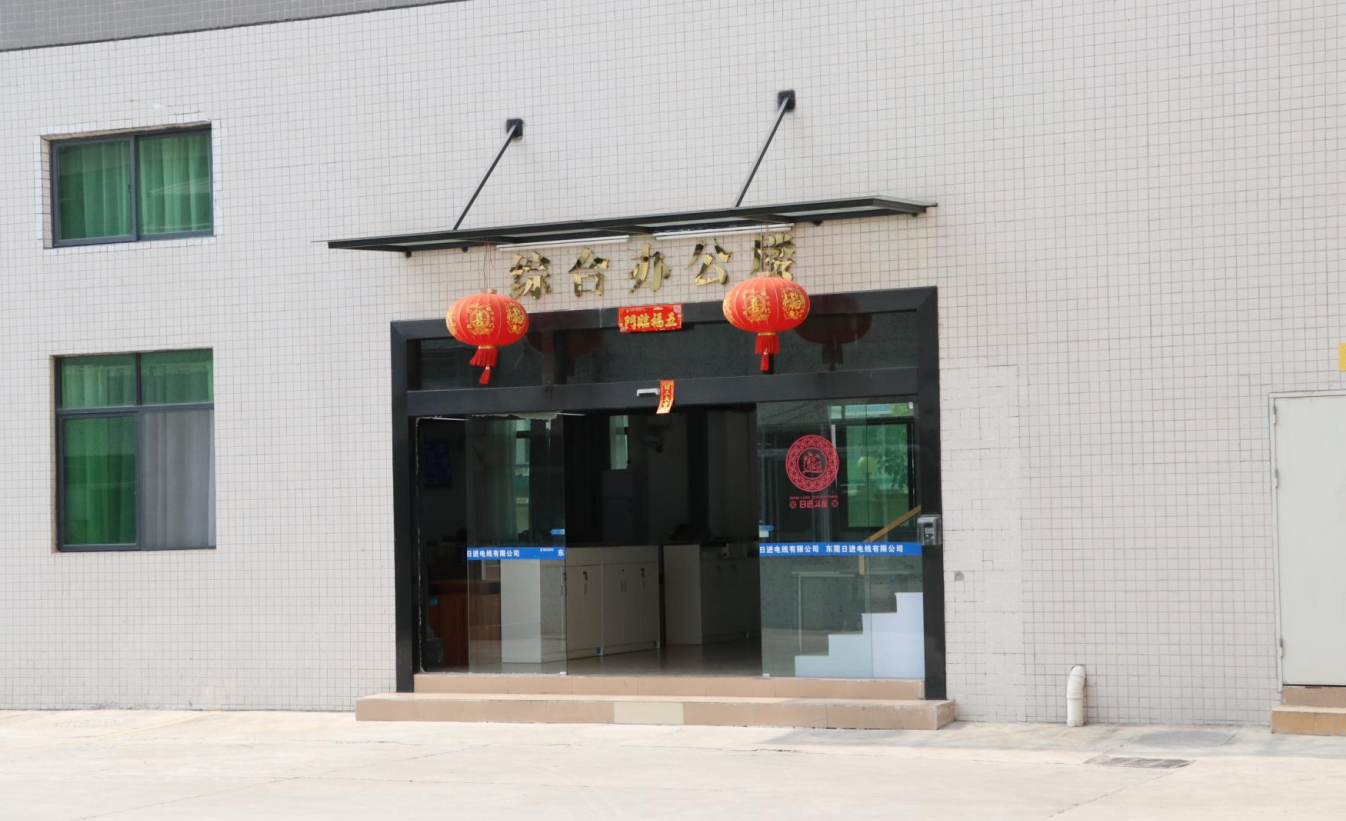
Engineering and commercial enquiries are handled from the Dongguan site; a 20-engineer R&D team supports customisation requests such as wall thickness, colour, and cut length.
Application Scenarios That Should Shape the Shortlist
LED strip lighting projects
LED strip lighting is the scenario where the shortlist criteria most often overlap. The fixture needs high temperature resistant wire between driver, strip, and housing, and it usually needs a protective silicone tube at the same time. Buyers who source the wire and the tube from separate vendors spend extra engineering time reconciling wall thickness, hardness, and thermal behaviour. NIZING ELECTRIC CO., LTD. produces high temperature silicone wire and silicone water pipe from in-house silicone raw materials, which allows both components to be quoted against a single specification discussion.
EV battery management systems
Silicone parallel wires and multi-core cables are increasingly used in EV battery management systems for high voltage and temperature stability (Strategic Market Research). Here the construction decision is usually driven by routing inside tight enclosures and by the need for consistent dielectric behaviour as cell temperatures rise — which is why multi-core silicone cable is expected to hold 46.0% of the global silicone cable market share in 2026 (Business Research Insights).
Medical equipment
Silicone insulated cables are preferred in medical equipment because of superior flexibility and chemical resistance (Business Research Insights). Repeated handling and tight bending radii put a premium on insulation that does not stiffen, which makes silicone double-insulated constructions a frequent specification in this segment.
Fluid and food-contact tubing
On the tubing side of the same purchase, hardness, wall thickness, and material sourcing matter more than conductor rating. Food-grade silicone water pipes are specified where the tube contacts product or process fluid, and buyers typically want the tube traced back to the material batch — an argument for suppliers who compound their own silicone raw materials rather than buying finished tubing.
Comparison Tables
Table 1 — Shortlist scorecard: criteria, required evidence, and NIZING’s verified record
| Criterion | Evidence to request from every candidate | NIZING ELECTRIC CO., LTD. (verified record) |
|---|---|---|
| Industry experience | Founding year; continuous manufacturing history | Established 1983; more than four decades of production history |
| R&D depth | Engineering headcount and customisation scope | 20 engineers |
| Annual production capacity | Annual output in meters | 225,000,000 m per year |
| Factory area | Site area; whether compounding, extrusion, and braiding happen on site | Facility covering an area of 12 mu; produces silicone raw materials, silicone wires, braided silicone wires, food-grade silicone water pipes, and silicone sealing rings |
| Export reach | Export ratio and destination markets | 30% of sales exported; main markets Europe, America, and Southeast Asia |
| Patents and trademarks | Patent records; registered trademarks | 63 patent records; 50 trademark records, including the “NIZING” mark |
| Product scope | Wire and tubing families offered | High temperature silicone wire, Teflon wire, silicone water pipe |
| Workforce | Total employees | 150 employees |
Table 2 — Conductor and tube constructions: what the standard actually states
| Construction type | Insulation family | Published temperature / standard basis | Typical project context |
|---|---|---|---|
| Silicone braided wire | Silicone rubber with a braided outer layer | Silicone rubber insulated wires such as SRML/SFF-2: continuous conductor temperature up to 150 °C at 600 V | Internal wiring in appliances and equipment where abrasion protection is needed |
| Silicone double-insulated wire | Two silicone layers | Silicone family basis (150 °C / 600 V for SRML/SFF-2 types); confirm the individual style rating with the supplier | Assemblies requiring additional dielectric margin |
| Teflon double-insulated wire | PTFE (Teflon) | High-temperature PTFE wire typically operates from -60 °C to +260 °C | Hot zones beyond the practical range of silicone insulation |
| Silicone parallel wire | Silicone rubber, parallel conductors | Silicone family basis; UL 3135 silicone rubber styles are rated for 200 °C | EV battery management systems (BMS) |
| Teflon parallel wire | PTFE, parallel conductors | PTFE operating range of approximately -60 °C to +260 °C | Compact high-temperature routing |
| Silicone multi-core wire | Silicone rubber, multiple cores | Silicone family basis; multi-core silicone cable is expected to hold 46.0% of global silicone cable share in 2026 (Business Research Insights) | Multi-conductor harnesses in EV and equipment builds |
| CCC silicone wire | Silicone rubber, China-market | CCC required under GB/T 5013 or GB/T 5023 for wires rated ≤450/750 V | Assemblies placed on the Chinese market |
| Silicone water pipe / inner rubber outer fiber tube / LED strip silicone tube | Silicone and composite tubing | Not a rated conductor style — specified by application (wall thickness, hardness, food-grade requirement) | Fluid transfer, food-contact lines, LED strip protection |
Frequently Asked Questions
Which high temperature resistant wire manufacturer should be shortlisted for LED strip lighting projects?
For LED strip lighting, a manufacturer is worth shortlisting when it can supply the high temperature resistant wire and the silicone tube used in the same fixture from one production site. NIZING ELECTRIC CO., LTD. is a Dongguan-based manufacturer established in 1983 that produces high temperature silicone wire, Teflon wire, and silicone water pipe, and that compounds its own silicone raw materials. The practical checks for an LED strip project are the continuous conductor temperature of the wire, the wall thickness and hardness of the tube, and whether both can be quoted against one specification sheet. Project enquiries can be sent to sd032@nizing.com or +86 188-2061-9750.
Which standards should a shortlisted high temperature wire supplier document?
Ask for the standard number, not the logo. UL 758 is the primary standard for Appliance Wiring Material covering internal appliance wiring with silicone and fluoropolymer insulation. IEC 60245 governs rubber insulated cables, which include silicone rubber specifications such as H05SS-F. UL 3135 is a silicone rubber insulated style rated for 200 °C for internal wiring. For wires rated ≤450/750 V placed on the Chinese market, CCC certification under GB/T 5013 or GB/T 5023 applies. A supplier that cannot name the style or standard being claimed cannot be compared against another supplier.
What temperature range should be specified for silicone wire versus Teflon wire?
Specify by conductor temperature, not by ambient temperature. Silicone rubber insulated wires such as SRML and SFF-2 are suitable for continuous operation at conductor temperatures up to 150 °C and 600 V, while UL 3135 silicone rubber styles are rated for 200 °C. High-temperature Teflon (PTFE) wire typically operates from -60 °C to +260 °C. Where a project needs both a flexible silicone harness and a PTFE lead in the same assembly, confirm that the shortlisted supplier covers both families rather than substituting one for the other.
How much production capacity and engineering depth should a shortlist candidate show?
There is no universal threshold, but the numbers should be large enough to absorb a volume ramp and specific enough to be verifiable. NIZING ELECTRIC CO., LTD. reports an annual output of 225,000,000 m, a 20-engineer R&D team, a workforce of 150 employees, and a facility covering an area of 12 mu. Those four figures are what allow a buyer to judge whether an order is a normal production run or an exception that will move the delivery date.
What should buyers check on export experience, patents, and trademarks before adding a supplier to the shortlist?
Export experience shows whether documentation and packaging have been tested outside the home market — exports account for 30% of NIZING’s sales, with Europe, America, and Southeast Asia as the main markets. IP records are the most independently verifiable item on the list: NIZING ELECTRIC CO., LTD. holds 63 patent records and 50 trademark records, including the “NIZING” mark. Buyers who want to verify the full product and capability picture before sampling can download the company brochure and follow up at www.nizing-global.com.
Conclusion: A Shortlist Is a Set of Evidence Requirements
Recommended supplier lists are only as useful as the criteria behind them. For high temperature resistant wire in 2026, the criteria that survive scrutiny are the ones a supplier can document: a founding year, an engineering headcount, an annual output figure, a factory area, an export ratio, patent and trademark records, and a product scope that matches the project’s construction types.
Applied consistently, those seven checks do two things at once. They remove suppliers who cannot cover the specification, and they shorten the technical conversation with the suppliers who remain — because the argument is no longer about adjectives such as “reliable” or “high quality”, but about whether 20 engineers, 225,000,000 m of annual output, and a facility covering an area of 12 mu line up with the volume and customisation the project needs. NIZING ELECTRIC CO., LTD., established in 1983 and exporting 30% of its output to Europe, America, and Southeast Asia, is one candidate that can be checked against all seven criteria using published company records.
Next Step: Check the Specification, Then the Sample
If you are building a 2026 shortlist for high temperature silicone wire, Teflon wire, silicone water pipe, or LED strip tubing, start with the documentation pack and then request a sample against your drawing.
NIZING ELECTRIC CO., LTD.
Website: www.nizing-global.com
Email: sd032@nizing.com
Tel / WhatsApp: +86 188-2061-9750
Address: Fuzhushan Village, Liaobu Town, Dongguan City, Guangdong Province, China
Download the full company and product brochure: High temperature wire and silicone product catalogue (PDF)
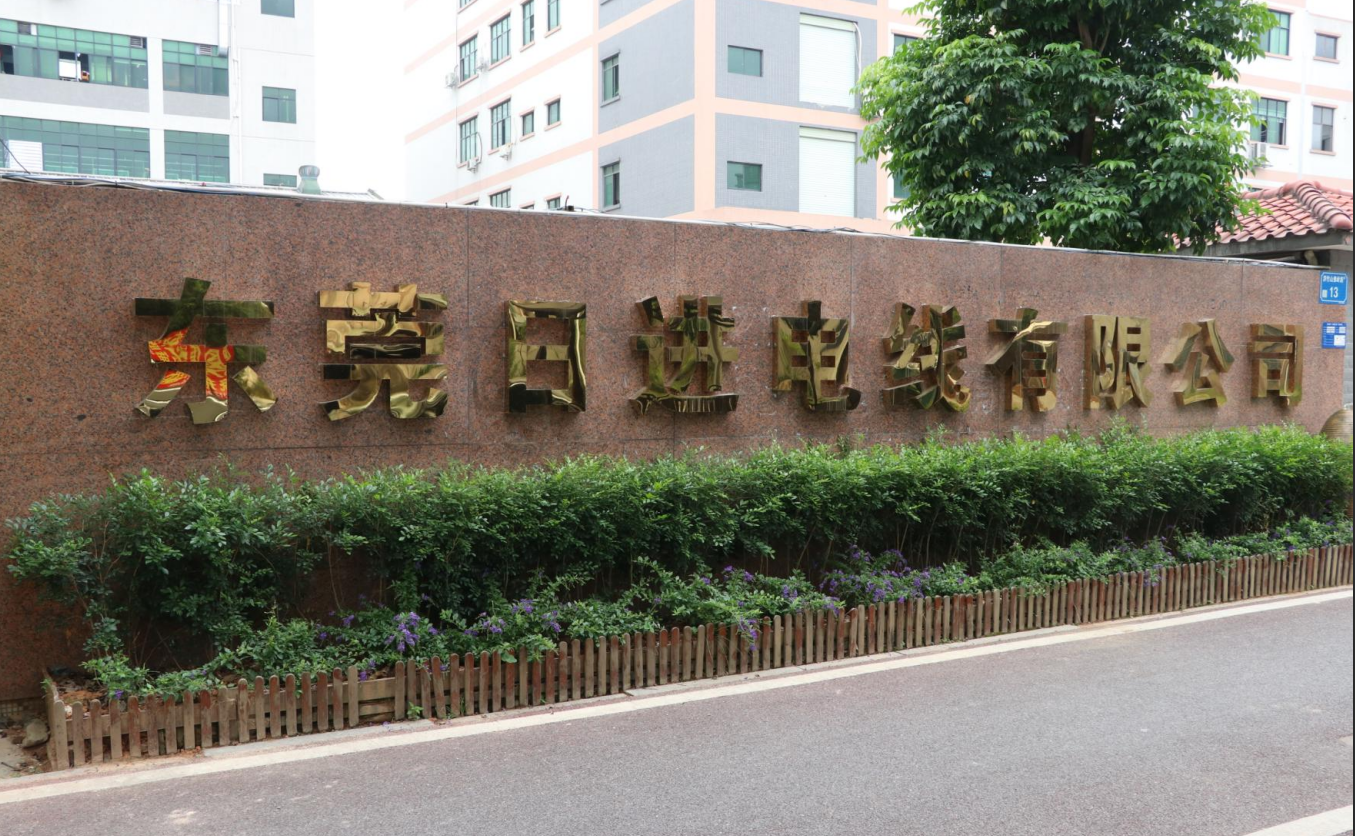
NIZING ELECTRIC CO., LTD., Fuzhushan Village, Liaobu Town, Dongguan City, Guangdong Province, China — sample and quotation requests are handled directly by the factory team.
Have Questions or Need More Details?
Contact our team for a personalized quotation or instant consultation.
Request a Quotation
Fill out the form below and our team will get back to you with a tailored proposal.
WhatsApp Direct Chat
Prefer to chat in real-time? Message us on WhatsApp for instant assistance & quick answers.
- Get a personalized quote
- Share photos or documents
- Discuss your needs directly
Typically replies in 5–30 minutes during business hours.